
Bring on Summer!
Jane Lawler • February 24, 2022
The body content of your post goes here. To edit this text, click on it and delete this default text and start typing your own or paste your own from a different source.
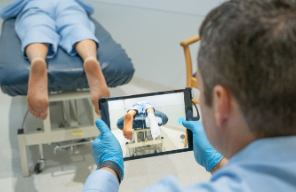
Say Goodbye to Bulky Rigid Orthotics at Junction Foot and Ankle Group We’re so excited to share some fantastic news about the range of prescription orthotics we offer! Gone are the days when orthotic devices were one-size-fits-all, often bulky, hard and challenging to fit into your everyday footwear. At Junction Foot and Ankle Group, we understand that every foot is unique and that your orthotic solutions should be too. We offer a variety of custom orthotics that are tailored to meet your specific needs. Whether you need a pair for your running shoes, dress shoes, or even footy boots, we can create orthotics that fit perfectly. An innovative 'grind-fit' service allows us to fine-tune the size and shape of your orthotics so they slip effortlessly into most footwear, ensuring you don’t have to compromise on comfort or style. We’re proud to incorporate the latest digital technology into our services. We use state-of-the-art 3D foot scanning technology which captures the exact shape and contours of your feet, enabling us to craft orthotics that provide optimal support and comfort. Whether you have a difficult-to-fit foot type or specific requirements, we can provide specialised devices designed just for you. As the winter season finals kick off, we want to wish the best of luck to all teams ( Go Dockers!!! ) Remember, whether you’re on the field or supporting from the sidelines, your feet deserve the best care. Let us help keep you at the top of your game with our custom-fitted orthotics. We pride ourselves on being able to provide availability for our patients, with same-day appointments usually available. Make an appointment with one of our Podiatrists today – we look forward to helping you put your best foot forward! Call 9250 1676 or follow the link to book online .
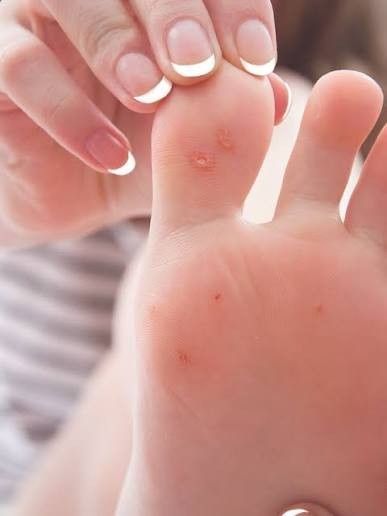
The Mystery of the Painful Spot on Jack's Foot Eight-year-old Jack loved nothing more than playing soccer at school. Every lunchtime he was the first one on the oval and the last one to leave. One afternoon he came home limping. "Mum," he said, "it feels like I've got a stone stuck in my shoe." His mum checked his shoe... nothing. She looked at his foot and found a small rough bump on the sole. It didn't look like much, but every step hurt. It wasn't a stone. Maybe it was a splinter? No, it was a plantar wart, also called a verruca. And, pretty soon it started to spread. So, what is a plantar wart? Plantar warts are caused by a common virus that infects the outer layer of the skin. They are especially common in school-aged children, although adults can get them too. The virus often enters through tiny breaks in the skin, especially in places like swimming pools, change rooms, public showers, and around sporting facilities. They're very common—and they're nothing to be embarrassed about. Unlike warts on the hands, plantar warts grow on the bottom of the foot, where your body weight presses down on them every time you walk. Instead of growing outwards, they are pushed inwards, making them feel like you're constantly standing on a pebble. For active children like Jack, that can make running, playing sport and even walking uncomfortable. Do all warts need treatment? The simple answer is no. Many plantar warts disappear on their own as the body's immune system eventually clears the virus. This can happen over months or even a couple of years. We usually recommend treatment if the wart is painful, growing larger, spreading to other areas, causing your child to avoid sport or normal activities, or becoming a nuisance that just won't go away. What treatments are available? The good news is that there are lots of treatment options, and we'll help choose the one that's right for you or your child. Depending on the wart, treatment may include carefully removing hard skin over the wart and applying special wart treatments (often prescription-strength medications). When surgery is the best option? Occasionally, a wart simply refuses to leave despite repeated treatment. In these stubborn cases, we can offer surgical removal. Surgery may also be a good option for children who are very anxious about repeated appointments and would prefer to have the wart dealt with in one procedure rather than returning multiple times for treatment. All of our podiatrists can treat warts, but if it’s surgery you’re after, book in with one of our surgical podiatrists who will discuss whether surgery is appropriate and explain exactly what is involved. If you or your child has a painful wart, we'd be happy to help get you comfortably back on your feet. Call us on 9250 1676 to make an appointment or book online .