
News
Catch up on the latest industry news and foot health tips below.
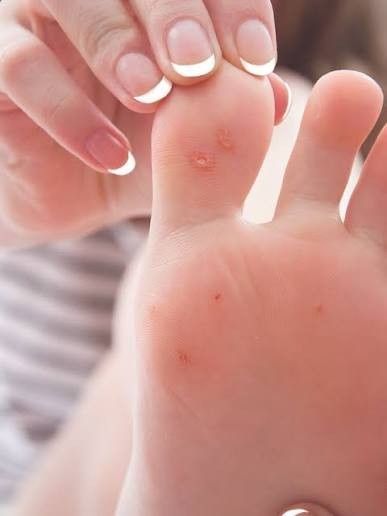
The Mystery of the Painful Spot on Jack's Foot Eight-year-old Jack loved nothing more than playing soccer at school. Every lunchtime he was the first one on the oval and the last one to leave. One afternoon he came home limping. "Mum," he said, "it feels like I've got a stone stuck in my shoe." His mum checked his shoe... nothing. She looked at his foot and found a small rough bump on the sole. It didn't look like much, but every step hurt. It wasn't a stone. Maybe it was a splinter? No, it was a plantar wart, also called a verruca. And, pretty soon it started to spread. So, what is a plantar wart? Plantar warts are caused by a common virus that infects the outer layer of the skin. They are especially common in school-aged children, although adults can get them too. The virus often enters through tiny breaks in the skin, especially in places like swimming pools, change rooms, public showers, and around sporting facilities. They're very common—and they're nothing to be embarrassed about. Unlike warts on the hands, plantar warts grow on the bottom of the foot, where your body weight presses down on them every time you walk. Instead of growing outwards, they are pushed inwards, making them feel like you're constantly standing on a pebble. For active children like Jack, that can make running, playing sport and even walking uncomfortable. Do all warts need treatment? The simple answer is no. Many plantar warts disappear on their own as the body's immune system eventually clears the virus. This can happen over months or even a couple of years. We usually recommend treatment if the wart is painful, growing larger, spreading to other areas, causing your child to avoid sport or normal activities, or becoming a nuisance that just won't go away. What treatments are available? The good news is that there are lots of treatment options, and we'll help choose the one that's right for you or your child. Depending on the wart, treatment may include carefully removing hard skin over the wart and applying special wart treatments (often prescription-strength medications). When surgery is the best option? Occasionally, a wart simply refuses to leave despite repeated treatment. In these stubborn cases, we can offer surgical removal. Surgery may also be a good option for children who are very anxious about repeated appointments and would prefer to have the wart dealt with in one procedure rather than returning multiple times for treatment. All of our podiatrists can treat warts, but if it’s surgery you’re after, book in with one of our surgical podiatrists who will discuss whether surgery is appropriate and explain exactly what is involved. If you or your child has a painful wart, we'd be happy to help get you comfortably back on your feet. Call us on 9250 1676 to make an appointment or book online .

What's the Fuss About Rafael Nadal's Foot? Understanding Müller-Weiss Syndrome When tennis legend Rafael Nadal announced his retirement from the sport, many people were surprised to learn that one of the biggest challenges throughout his career wasn't an opponent—it was his left foot. Nadal has lived with a condition called Müller-Weiss Syndrome, a rare disorder affecting a small bone in the middle of the foot called the navicular bone. While most of us won't be playing Grand Slam tennis anytime soon, this condition is not limited to elite athletes and can affect everyday Australians too. What is Müller-Weiss Syndrome? Müller-Weiss Syndrome is a condition where the navicular bone gradually changes shape and can become damaged over time. This often leads to collapse of the arch, arthritis developing in nearby joints, and ongoing foot pain. Most people with the condition experience pain through the middle or inside of the foot, discomfort when walking or standing for long periods, a flattening of the arch, swelling around the middle part of the foot, and difficulty staying active due to foot pain. It’s a condition that is most commonly diagnosed in middle-aged adults and often develops gradually over many years. It's Not Just an Athlete's Problem Although Nadal's story has brought attention to Müller-Weiss Syndrome, you certainly don't need to be a professional athlete to experience it. In fact, many people first notice symptoms while doing everyday activities such as walking the dog, shopping, gardening, exercising, or spending long hours on their feet at work. And, because the symptoms can mimic arthritis, tendon problems, or general "wear and tear," the condition is sometimes overlooked without a proper assessment. Don’t ignore foot pain - it should never simply be accepted as part of getting older. The good news is that many people can successfully manage their symptoms without surgery. If you've been experiencing ongoing foot pain, changes in your arch shape, or discomfort that is limiting your activities, book an assessment with one of our podiatrists . Click here to book online , or phone us on 9250 1676. Your feet carry you through life—it's worth making sure they're looked after properly.
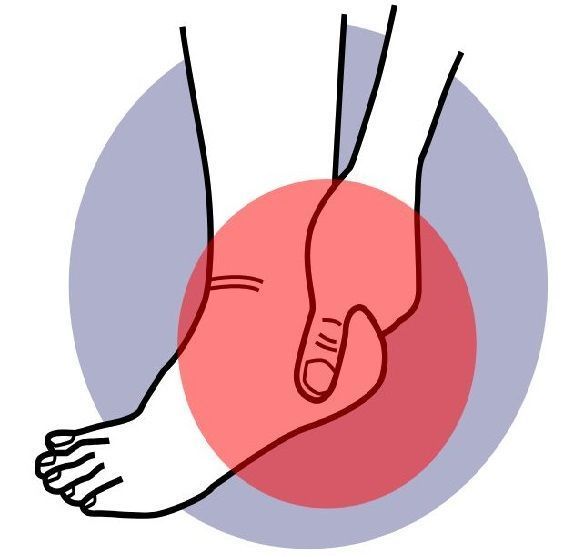
Heel Pain Sideline Your Young Athlete? It Could Be Sever’s Disease Football boots are back on, netball courts are buzzing, and kids all over Perth are sprinting, jumping and training again. But if your child has started complaining of sore heels after sport, there’s a good chance it could be Sever’s disease - one of the most common causes of heel pain in active kids. Despite the scary name, Sever’s disease isn’t actually a disease at all. It’s a growth-related heel pain that happens when the growth plate at the back of the heel becomes irritated. It’s especially common in sporty kids aged around 8-15 years during growth spurts. Running and jumping sports like AFL, soccer, basketball and netball are common triggers. What does it feel like? Parents often notice their child limping after sport, complaining of sore heels after training or games, walking on tiptoes, saying their heels hurt when squeezed, or suddenly losing enthusiasm for sport they usually love. Why does it happen? As kids grow, their bones can grow faster than their muscles and tendons can keep up. Tight calf muscles and repeated pulling from the Achilles tendon can place stress on the heel growth plate. Hard playing surfaces, flat feet, hypermobility, poor footwear and busy sports schedules can all add fuel to the fire. The good news! Sever’s disease is very treatable and doesn’t cause long-term damage. The aim is to calm the irritation down while keeping kids as active and comfortable as possible. Simple things that can help Supportive footwear (avoid flimsy shoes and barefoot walking), ice after sport, calf stretches, reducing training loads temporarily, heel raises or cushioning inserts, and custom orthotics in some cases. The earlier it’s treated, the quicker kids can usually get back to doing what they love. When should you see a podiatrist? If heel pain is lingering for more than a couple of weeks, causing limping, or stopping your child from participating in sport, it’s worth getting assessed. Sometimes heel pain in kids can mimic other conditions, so an accurate diagnosis is important. At Junction Foot & Ankle Group, our podiatrists regularly help young athletes manage Sever’s disease with tailored treatment plans to keep them moving comfortably throughout the sporting season. If your child is struggling with heel pain this season, book an appointment with one of our friendly podiatrists today. Call us on 9250 1676 or head to our website to book online.
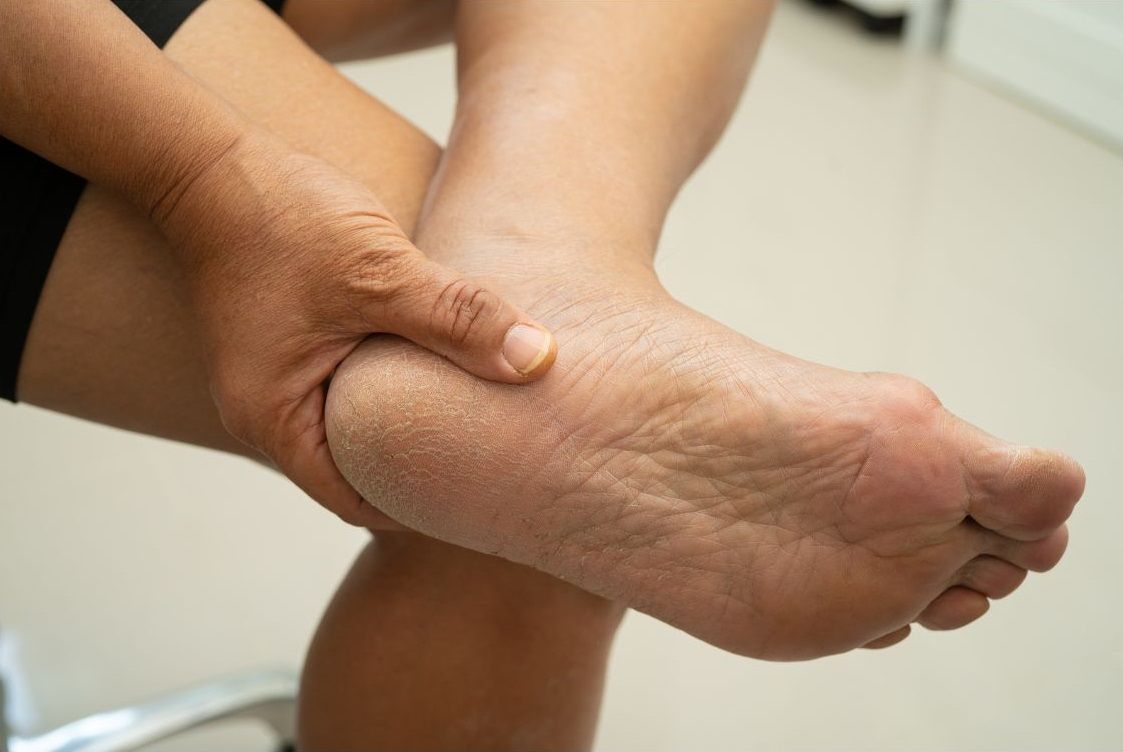
Heel Pain Sideline Your Young Athlete? It Could Be Sever’s Disease Football boots are back on, netball courts are buzzing, and kids all over Perth are sprinting, jumping and training again. But if your child has started complaining of sore heels after sport, there’s a good chance it could be Sever’s disease - one of the most common causes of heel pain in active kids. Despite the scary name, Sever’s disease isn’t actually a disease at all. It’s a growth-related heel pain that happens when the growth plate at the back of the heel becomes irritated. It’s especially common in sporty kids aged around 8-15 years during growth spurts. Running and jumping sports like AFL, soccer, basketball and netball are common triggers. What does it feel like? Parents often notice their child limping after sport, complaining of sore heels after training or games, walking on tiptoes, saying their heels hurt when squeezed, or suddenly losing enthusiasm for sport they usually love. Why does it happen? As kids grow, their bones can grow faster than their muscles and tendons can keep up. Tight calf muscles and repeated pulling from the Achilles tendon can place stress on the heel growth plate. Hard playing surfaces, flat feet, hypermobility, poor footwear and busy sports schedules can all add fuel to the fire. The good news! Sever’s disease is very treatable and doesn’t cause long-term damage. The aim is to calm the irritation down while keeping kids as active and comfortable as possible. Simple things that can help Supportive footwear (avoid flimsy shoes and barefoot walking), ice after sport, calf stretches, reducing training loads temporarily, heel raises or cushioning inserts, and custom orthotics in some cases. The earlier it’s treated, the quicker kids can usually get back to doing what they love. When should you see a podiatrist? If heel pain is lingering for more than a couple of weeks, causing limping, or stopping your child from participating in sport, it’s worth getting assessed. Sometimes heel pain in kids can mimic other conditions, so an accurate diagnosis is important. At Junction Foot & Ankle Group, our podiatrists regularly help young athletes manage Sever’s disease with tailored treatment plans to keep them moving comfortably throughout the sporting season. If your child is struggling with heel pain this season, book an appointment with one of our friendly podiatrists today. Call us on 9250 1676 or head to our website to book online.
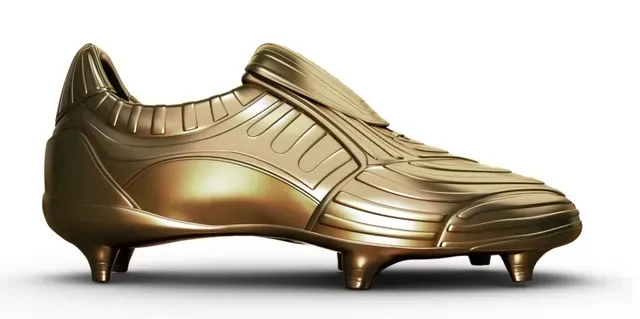
Footy Season is Back – Are Your Boots Up to the Task? With AFL and soccer season kicking off, now’s the perfect time to make sure your boots are doing your feet (and your body) a favour, not causing problems. Choosing the right footy boot isn’t just about style or brand. The right fit and features can help prevent common issues like heel pain, shin pain, ankle injuries, and forefoot soreness, especially as training intensity ramps up. What should you look for in a good footy boot? Heel-to-toe gradient (pitch): A slight lift from heel to toe can reduce strain on the calves and Achilles, particularly helpful if you’re prone to tightness or injury. Firm heel counter (heel cup): A deep, supportive heel cup helps stabilise your foot and control movement inside the boot, improving balance and reducing injury risk. Midfoot support: Look for a boot that feels secure through the arch, not too flimsy. This helps with control and reduces fatigue during games. Room for orthotics: If you wear foot orthoses, make sure the boot has a removable insole and enough depth to comfortably accommodate them without feeling tight. With newer techniques in orthotic prescription, our podiatrists are experts in designing and fitting low-profile devices for your boots. Stud configuration: Different sports and surfaces require different stud patterns. Proper grip reduces slipping but also helps avoid excessive pressure on certain parts of the foot. Correct fit: Snug but not tight. Your toes shouldn’t be crammed, and your heel shouldn’t lift when you move. A quick tip: Don’t wait until round one to break in new boots - wear them during training first to avoid blisters and discomfort. Not sure what’s right for you? Every foot is different, and factors like foot shape, biomechanics, previous injuries, and training load all play a role in choosing the right footwear. Come and see one of our friendly podiatrists at Junction Foot & Ankle Group. We can assess your foot type and function, look at your biomechanics, and help guide you on the best boot for your needs - or manage any lower limb pain or injuries that pop up during pre-season. If you have already purchased your boots, please bring them with you to your appointment, and if you have not, perhaps wait until you have some advice from us. Let’s keep you moving comfortably all season long! Call us on 9250 1676 or head to our website to book online.
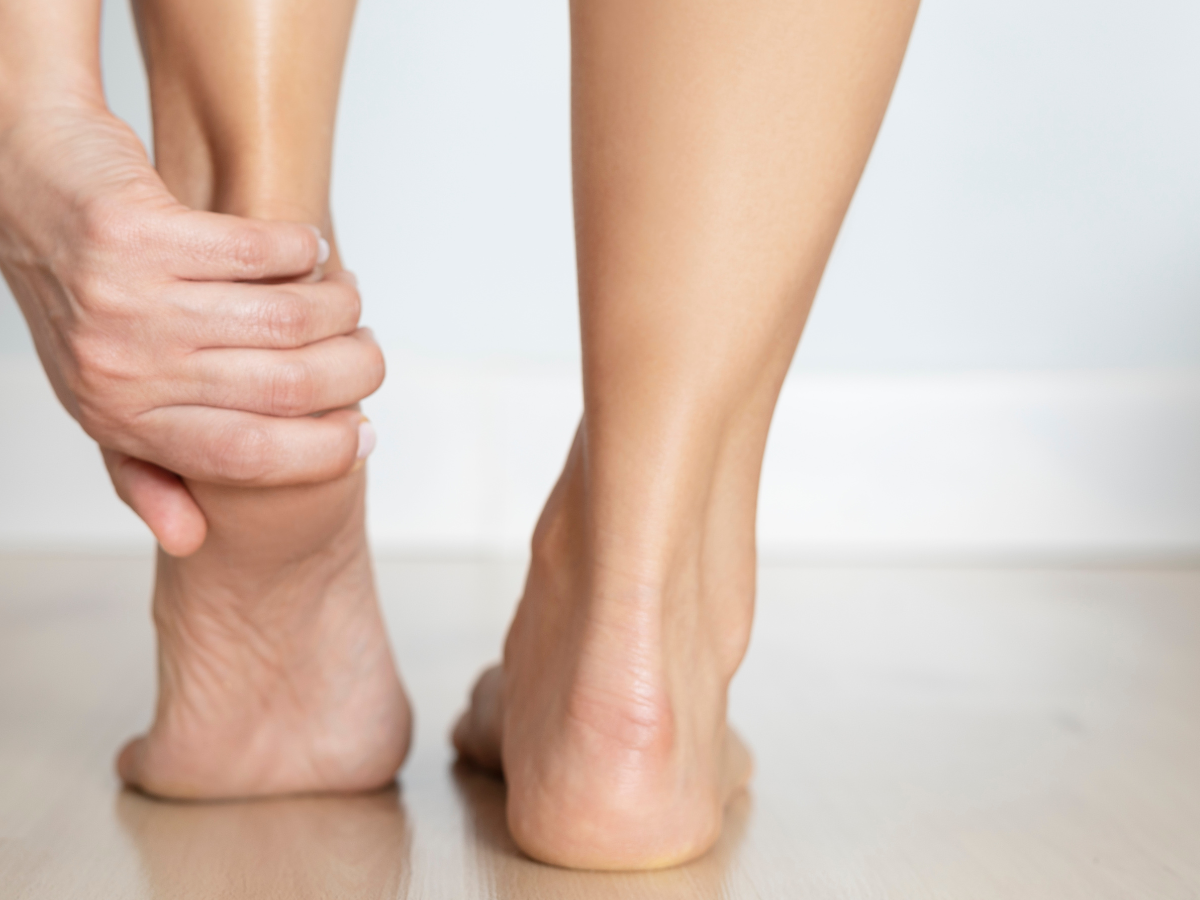
Not Just Plantar Heel Pain The long Perth summer goes hand in hand with wearing thongs and being down at the beach. It’s important to be mindful that this extended period in unsupportive shoes can exacerbate underlying or existing issues in the plantar fascia (band beneath the arch of the foot), or trigger new symptoms in the arch and heel. You might have heard about plantar fasciitis, which is quite common and can be a real pain in the heel (literally), but did you know that there's more to heel pain than just that? Let's talk about it. Plantar Heel Pain 101 Plantar heel pain is any kind of discomfort or ache you feel in your heel area. While plantar fasciitis is a common cause, there are other culprits too. One of them is something called tarsal tunnel syndrome. Tarsal Tunnel Syndrome: A Sneaky Troublemaker Tarsal tunnel syndrome is similar to carpal tunnel syndrome, which occurs in the wrist. Imagine a tunnel in your foot where important nerves and blood vessels pass through. If that tunnel gets squeezed or compressed, you've got yourself tarsal tunnel syndrome. It can feel a lot like plantar fasciitis, but it's a whole different ball game. With tarsal tunnel syndrome, you might experien ce tingling, burning, or shooting pains that travel from your heel down to your toes or in the other direction too. Sometimes it can feel like electric shocks zapping your foot. What’s Going on Inside? So, why does this happen? There are a few common possibilities. It could be due to an unusual foot structure or an injury or past trauma, like a sprained ankle. Other times it’s caused by pressure from blood vessels or other soft tissue structures in the area. And sometimes it's just bad luck and your nerves get irritated for no apparent reason. Treatment Options: Finding Relief Okay, enough with the doom and gloom. Let's talk about what we can do to ease the pain. For starters, there are some simple tricks you can try at home: Rest: Give your feet a break. Avoid activities that make the pain worse. Ice: Apply an ice pack to your heel for about 15 minutes a few times a day to reduce inflammation, or roll your foot on a frozen water bottle to give the effect of ice massage. Stretching: Gentle stretches of the calf and foot can help loosen up tight muscles and ease tension. If these DIY remedies aren't cutting it, it might be time to see a healthcare professional. Our podiatrists can assess you and may recommend: Medical Imaging: Diagnosis is key in achieving optimal results. Orthotics: Custom-made shoe inserts can provide extra support and cushioning for your feet. Physiotherapy: Working with a physio can help strengthen your muscles and improve your range of motion. Medication: Pain relievers or anti-inflammatories might offer some relief. Shockwave Therapy: High-energy acoustic waves are delivered into the tissue to stimulate healing. Our podiatrists have great results. Injection Therapy: such as guided corticosteroids or PRP (platelet-rich plasma) Surgical Option: Last Resort Surgery to decompress (relieve tension in the tarsal tunnel) is usually the last resort when all other treatment options have been unsuccessful. If your symptoms are severe and impacting your daily life, our Podiatric Surgeons Julie Taranto or Michael Taranto may recommend surgical decompression of the tarsal tunnel. It sounds scary, but it's often very effective in relieving pain and restoring function. If you're struggling with heel pain, don't suffer in silence. Make an appointment with one of our Podiatrists who can help you find relief. Call us on 9250 1676 or head to our website to book online. If you’ve already tried the non-surgical treatment options, it might be time to consult one of our Surgeons - visit our surgical website to book online.
As the warm weather rolls in, it’s time to let your feet breathe again! But before you slip on your thongs or sandals, it’s worth giving your feet a little extra care and attention. Tackle Dry, Cracked Heels and Callouses Cracked heels and thickened callouses are one of the most common foot complaints we see in summer. They’re often caused by dry skin, open footwear, and long days on your feet. If left untreated, cracks can become painful (and even infected). Our podiatrists can gently and safely remove hard skin and help restore your heels to a smooth, comfortable condition — just in time for sandal season! Hydrate Your Skin Keeping your feet moisturised is one of the simplest ways to prevent dryness and cracking. We’ve hand-picked a range of high-quality foot creams available in-clinic — specially chosen for their deep hydration and non-greasy feel. Regular use can make a big difference to how your feet look and feel this summer. Slip Into Comfort When it comes to summer footwear, not all thongs and slides are created equal! We stock the Archies range of thongs and slides — designed by a physiotherapist with built-in arch support for all-day comfort. They’re a great choice for the beach, around the house, or anywhere you want a casual, supportive fit. Ready for Summer? We Can Help! Now’s the perfect time to give your feet some professional care. Whether you need cracked heel treatment, a callous tidy-up, or advice on the best products for your skin and footwear, our team at Junction Foot & Ankle Group is here to help. Book your summer foot care appointment today - your feet will thank you for it! You don’t need an appointment to purchase from our clinic but if you do need to see one of our team of Podiatrists at Junction Foot & Ankle Group , go ahead and give us a call on 9250 1676 or book online. As we draw closer to the Festive Season we’d like to thank you for your support of our clinic. We are truly grateful to all of you for your ongoing loyalty. We wish you and your family and friends a joyous Christmas and prosperous New Year. http://www.junctionfootandankle.com.au/ We are closing for Christmas a little earlier this year, so ring early if you need an appointment beforehand. We’ll be re-opening again on Monday 5th of January 2026.
From First Steps to Next Steps It all started with your very first steps. Wobbly, wide-eyed, probably caught on camera by an overly enthusiastic relative. Fast forward a few years and those same feet carried you into school shoes, onto sports fields, through late-night dance floors, and maybe even across the stage at graduation. But here’s the thing: while the rest of you has been upgraded along the way (new glasses, braces, haircuts you’d rather forget), your feet… well, they’ve had to make do. No trade-ins, no upgrades. Just the same two trusty originals, working overtime to keep up with every new “next step.” And yet, feet are often the most under-appreciated part of our bodies. We stretch our backs, moisturise our faces, and fuel our brains with coffee (lots of coffee)… but when it comes to our feet? At best, they might get the occasional pedicure or half-hearted toe wiggle. The theme of Foot Health Week this year is “From first steps to next steps”—a reminder that your feet deserve care at every stage of life. Whether you’re a toddler just learning to walk, a teen kicking goals, a parent chasing kids, or someone rediscovering bushwalks in retirement, healthy feet make every step easier. So, here’s the funny truth: if your feet could talk, they’d probably say, “We’ve carried you this far—could you please book us a check-up before we go on strike?” Your Next Step Don’t wait until sore heels, ingrown toenails, or tired arches slow you down. This Foot Health Week (October 13–19), give your feet the same attention you give the rest of your body. Take your next step today—book in to see one of our friendly podiatrists. After all, happy feet make for a happier you.
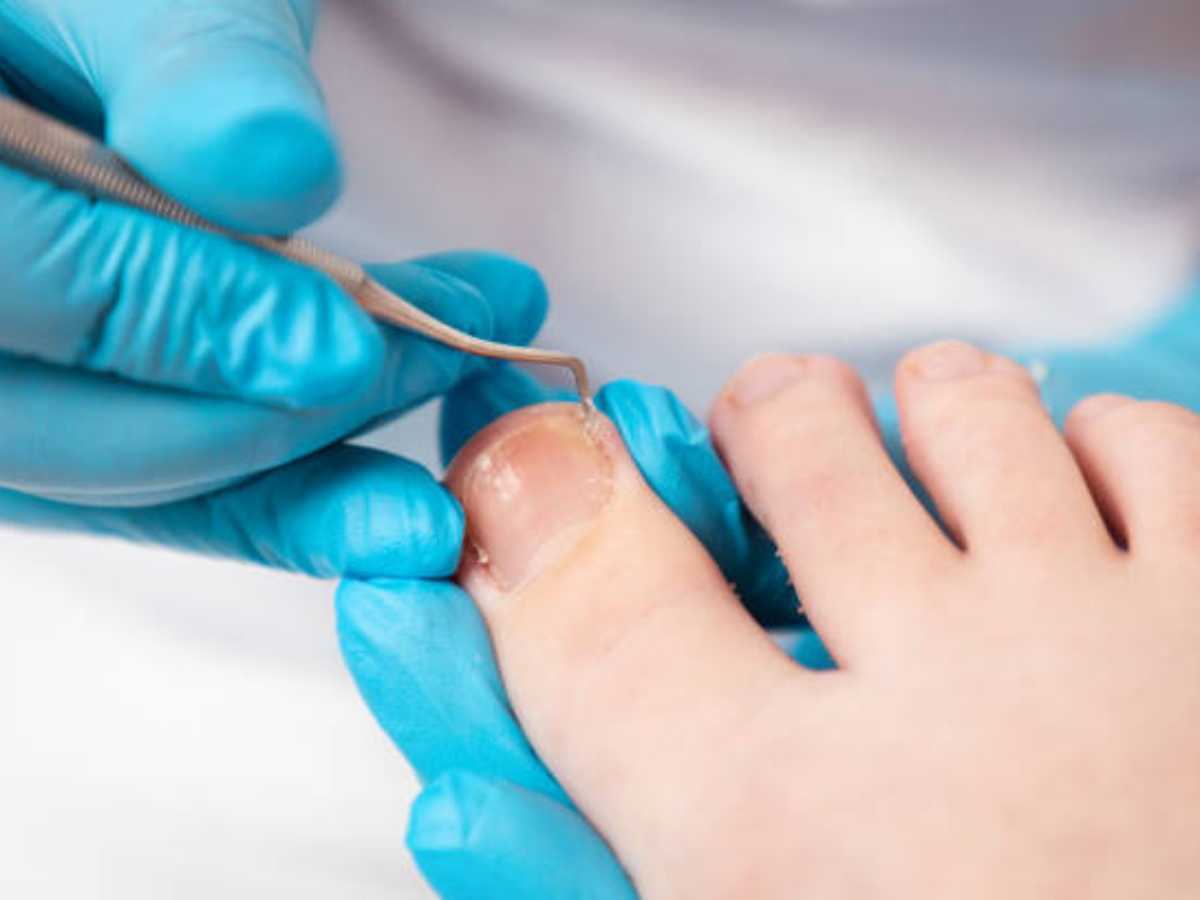
Meet Jack. He’s 14, loves soccer, and spends most afternoons running around the pitch with his mates. But for the last couple of years, he’s been hobbling more than sprinting. The culprit? A troublesome toenail on his big toe that has become so painful and embarrassing that he no longer wants to take his socks off in front of his friends. At first, Jack shrugged it off. “It’s just a bit sore,” he told his mum. But soon, the toe became red, swollen, and tender to even the lightest touch. Wearing his footy boots felt like stepping on a Lego brick every time he moved. Then the tissue around the toe started to get bigger and would bleed whenever it was knocked. If this sounds familiar, you’re not alone. Ingrown toenails are incredibly common in kids and adolescents — often thanks to active lifestyles, tight shoes, or nails that just grow in awkward shapes. Adults aren’t immune either — anyone can get them. The good news? This is not something you have to put up with. Step one is usually conservative care from your podiatrist. We can gently remove the offending nail edge, reduce inflammation, and give you tips to stop it from coming back — like proper nail trimming techniques and footwear advice. But sometimes, as in Jack’s case, the nail problem keeps coming back to cause trouble and the tissue inflammation is too much to benefit from non-surgical measures. That’s when we can offer some surgical solutions. This can range from a simple surgical procedure, done under local anaesthetic, to a more invasive procedure which is usually done as a day procedure in a day surgery or hospital. As Jack’s problem was recurrent, we suggested a more permanent procedure to remove the sections of nail and skin that were problematic, under general anaesthetic (Jack was asleep and had no pain). Jack had the surgery. Three weeks later, he was back on the field, scoring goals without a second thought about his toe. His mum says the only regret was not getting it sorted sooner. If you or your child are dealing with a stubborn, sore toenail, remember: you don’t have to live with it. There is a definitive solution — and we’re here to help you find it.
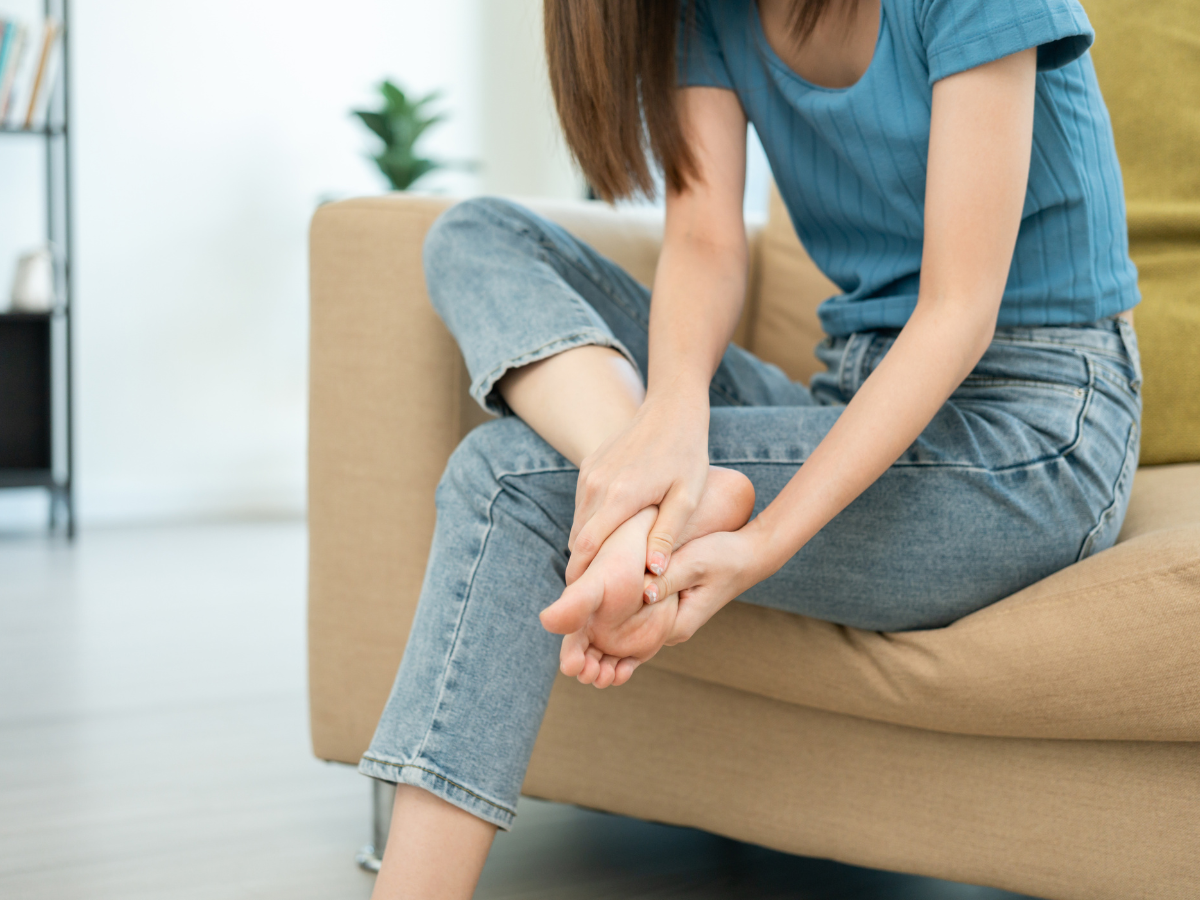
When Jane turned 58, she started noticing a bump forming on the side of her big toe. At first, it didn’t bother her much — just a little rubbing in her shoes. But over time, her bunion got bigger, and her second toe started curling upwards. It wasn’t long before even short walks became painful. She thought the pain was “just part of getting older,” but her knees and hips had started aching too. Why? Because her body was compensating for her sore feet. Jane's gait (the way she walked) had changed, putting extra pressure on other joints. She also started feeling less steady on her feet, especially when barefoot or in slippers. Finding shoes was another challenge — nothing seemed to fit comfortably anymore. Fashion took a back seat to function, and even then, her shoes still hurt by the end of the day. Eventually, Jane reached out for help. What Are Bunions and Hammer Toes? Bunions are bony bumps at the base of the big toe that cause the toe to shift out of alignment. Hammer toes are bent, curled toes that can develop from the pressure caused by bunions or from muscle imbalances. Both conditions can cause pain, difficulty walking, and trouble finding shoes that fit. What Can Be Done? Thankfully, Jane had options. Non-surgical treatment included: - Custom orthoses (prescription shoe inserts) to support her feet and reduce pressure. - Footwear advice to help find supportive, comfortable shoes. - Stretching and strengthening exercises to help improve balance and foot function. In some cases these options are not enough to provide symptom relief, and in Jane’s case, she explored surgical correction as her activities of daily living were being affected. Our Podiatric Surgeons explained the procedure clearly, and helped Jane understand how surgery could relieve pain, correct the deformity, and help her walk comfortably again. Ready to Take the First Step? If your feet are holding you back like Jane’s were, let’s talk. ✅ Book an appointment with one of our non-surgical podiatrists for a full assessment and personalised treatment plan. ✅ Or, if you’d like to explore surgical options, you can book a consultation with one of our Podiatric Surgeons, Julie Taranto or Michael Taranto.