
What to Expect During Your Post-Operative Recovery

Asha Curry • February 4, 2025

At MJ Taranto, we understand undergoing surgery can feel overwhelming, and we want you to know that at our clinic, your recovery and well-being are our top priorities. Our team is passionate about providing the best experience for every patient, and we go above and beyond to ensure you feel supported every step of the way.


What Makes Our Care Unique?

Personalised Attention: After your surgery, you won’t just see a nurse—you will see your surgeon for all your post-operative care. This means that every redress, check-up, and follow-up is handled by the person who knows your case best: your surgeon.


Direct Access: We believe in open communication. If you have concerns or questions during your recovery, you can contact us personally, even outside of clinic hours. We’re here for you when you need us most.


Dedicated Administrative Support: Our clinic has staff members who specialise in supporting our surgical patients. From the moment you decide to proceed with surgery, our dedicated administrative team will guide you through the entire process. They will help you prepare for surgery, answer any questions you may have, and ensure you feel confident and informed every step of the way.


Full Investment in Your Recovery: Your recovery is a journey, and we are fully committed to helping you every step of the way. From pre-operative education to detailed recovery plans, we ensure you’re well-informed and confident in your progress.


What to Expect During Recovery

While every patient’s recovery timeline is unique, here are some general guidelines to help you plan:


Initial Healing: The first few weeks are focused on wound healing and managing swelling. We will guide you on how to care for your surgical site and keep you comfortable.


Gradual Return to Activities: Over the next few months, we’ll work together to help you safely return to your normal activities. This timeline will be tailored to your specific surgery and progress.


Long-Term Recovery: Full recovery from most surgeries can take 12 to 18 months. During this time, we will monitor your progress and address any concerns that arise. Patience is key, but rest assured, we’re with you for the long haul.


Pre-Operative and Post-Operative Communication

Communication is at the heart of what we do. Before your surgery, we will provide you with detailed information about what to expect, including a recovery timeline. Knowing what lies ahead can make a big difference in how you approach your recovery.


After your surgery, our lines of communication remain open. Whether it’s a question about your recovery, guidance on wound care, or simply reassurance, you can count on us to be available and responsive.


Our Commitment to Excellence

At our clinic, you’re not just another patient—you’re part of our care family. From the moment you walk through our doors to the final stages of your recovery, we are dedicated to providing one-on-one care that’s second to none. Your health, comfort, and satisfaction are our top priorities.
August 5, 2026
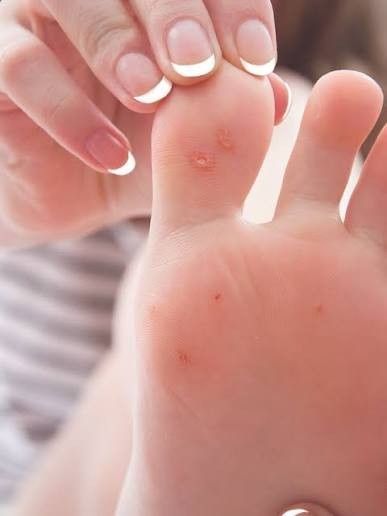
The Mystery of the Painful Spot on Jack's Foot Eight-year-old Jack loved nothing more than playing soccer at school. Every lunchtime he was the first one on the oval and the last one to leave. One afternoon he came home limping. "Mum," he said, "it feels like I've got a stone stuck in my shoe." His mum checked his shoe... nothing. She looked at his foot and found a small rough bump on the sole. It didn't look like much, but every step hurt. It wasn't a stone. Maybe it was a splinter? No, it was a plantar wart, also called a verruca. And, pretty soon it started to spread. So, what is a plantar wart? Plantar warts are caused by a common virus that infects the outer layer of the skin. They are especially common in school-aged children, although adults can get them too. The virus often enters through tiny breaks in the skin, especially in places like swimming pools, change rooms, public showers, and around sporting facilities. They're very common—and they're nothing to be embarrassed about. Unlike warts on the hands, plantar warts grow on the bottom of the foot, where your body weight presses down on them every time you walk. Instead of growing outwards, they are pushed inwards, making them feel like you're constantly standing on a pebble. For active children like Jack, that can make running, playing sport and even walking uncomfortable. Do all warts need treatment? The simple answer is no. Many plantar warts disappear on their own as the body's immune system eventually clears the virus. This can happen over months or even a couple of years. We usually recommend treatment if the wart is painful, growing larger, spreading to other areas, causing your child to avoid sport or normal activities, or becoming a nuisance that just won't go away. What treatments are available? The good news is that there are lots of treatment options, and we'll help choose the one that's right for you or your child. Depending on the wart, treatment may include carefully removing hard skin over the wart and applying special wart treatments (often prescription-strength medications). When surgery is the best option? Occasionally, a wart simply refuses to leave despite repeated treatment. In these stubborn cases, we can offer surgical removal. Surgery may also be a good option for children who are very anxious about repeated appointments and would prefer to have the wart dealt with in one procedure rather than returning multiple times for treatment. All of our podiatrists can treat warts, but if it’s surgery you’re after, book in with one of our surgical podiatrists who will discuss whether surgery is appropriate and explain exactly what is involved. If you or your child has a painful wart, we'd be happy to help get you comfortably back on your feet. Call us on 9250 1676 to make an appointment or book online .
July 1, 2026
What's the Fuss About Rafael Nadal's Foot? Understanding Müller-Weiss Syndrome When tennis legend Rafael Nadal announced his retirement from the sport, many people were surprised to learn that one of the biggest challenges throughout his career wasn't an opponent—it was his left foot. Nadal has lived with a condition called Müller-Weiss Syndrome, a rare disorder affecting a small bone in the middle of the foot called the navicular bone. While most of us won't be playing Grand Slam tennis anytime soon, this condition is not limited to elite athletes and can affect everyday Australians too. What is Müller-Weiss Syndrome? Müller-Weiss Syndrome is a condition where the navicular bone gradually changes shape and can become damaged over time. This often leads to collapse of the arch, arthritis developing in nearby joints, and ongoing foot pain. Most people with the condition experience pain through the middle or inside of the foot, discomfort when walking or standing for long periods, a flattening of the arch, swelling around the middle part of the foot, and difficulty staying active due to foot pain. It’s a condition that is most commonly diagnosed in middle-aged adults and often develops gradually over many years. It's Not Just an Athlete's Problem Although Nadal's story has brought attention to Müller-Weiss Syndrome, you certainly don't need to be a professional athlete to experience it. In fact, many people first notice symptoms while doing everyday activities such as walking the dog, shopping, gardening, exercising, or spending long hours on their feet at work. And, because the symptoms can mimic arthritis, tendon problems, or general "wear and tear," the condition is sometimes overlooked without a proper assessment. Don’t ignore foot pain - it should never simply be accepted as part of getting older. The good news is that many people can successfully manage their symptoms without surgery. If you've been experiencing ongoing foot pain, changes in your arch shape, or discomfort that is limiting your activities, book an assessment with one of our podiatrists . Click here to book online , or phone us on 9250 1676. Your feet carry you through life—it's worth making sure they're looked after properly.